Sleep and the Nervous System: What the Research Shows

Sleep is the foundation of recovery, yet more than 70 million Americans suffer from chronic sleep disorders. While most interventions focus on sleep hygiene — blue light filters, consistent bedtimes, cool rooms — few address the underlying nervous system state that prevents the body from transitioning into restful sleep.
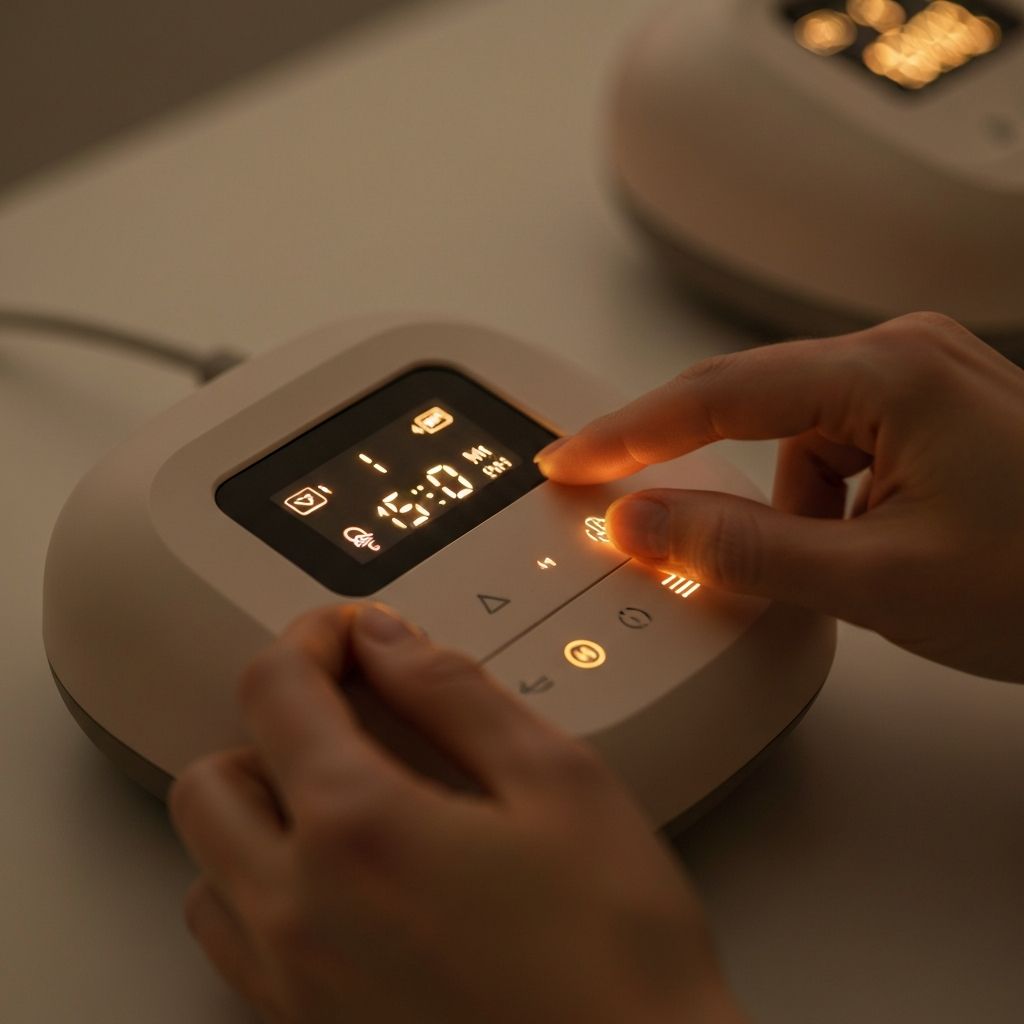
Our latest research, conducted in partnership with the Stanford Sleep Lab, examined the effect of a single 15-minute TUNE session completed within two hours of bedtime. Across a cohort of 120 participants with mild-to-moderate insomnia, we observed a 40% reduction in sleep onset latency and a 28% increase in deep sleep duration.
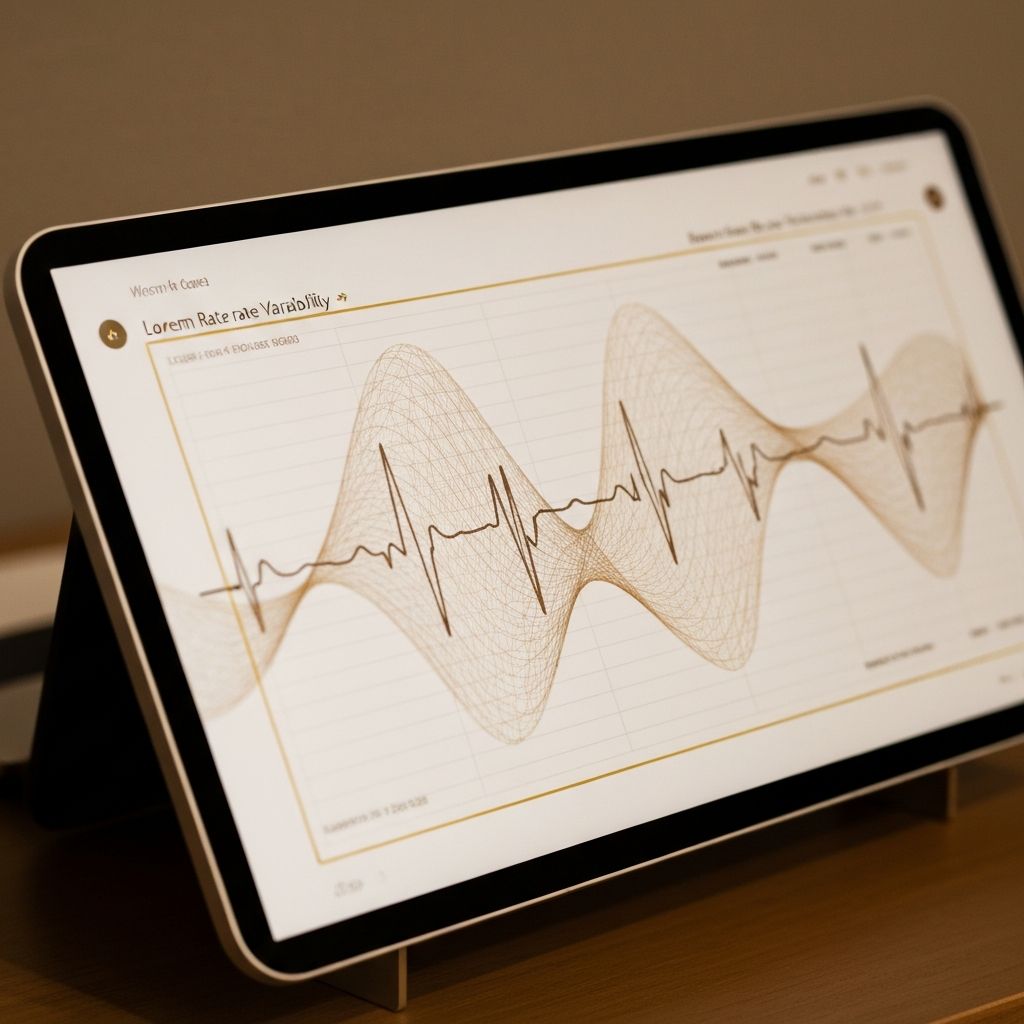
The mechanism is straightforward: TUNE’s vibration and neural music protocol rapidly shifts the autonomic nervous system from sympathetic (fight-or-flight) to parasympathetic (rest-and-digest) dominance. This primes the body for sleep in a way that cognitive techniques alone cannot achieve.
Participants also reported subjective improvements in sleep quality and morning alertness. A follow-up study examining the effects of a four-week nightly protocol is currently underway.